




1. User Experience Directly Affects Customer Retention
Customers are more likely to stay with a software product if it is intuitive and easy to use. Complicated interfaces, confusing navigation, or slow loading times can frustrate users and drive them to competitors.
Example: A travel agent using software that takes multiple steps to book a flight may switch to a competitor that allows the same booking in just a few clicks.
Takeaway: Prioritize simplicity, speed, and intuitive design to keep customers engaged.
2. Improved User Experience(UX) Leads to Higher Sales
A great UX can directly influence purchasing decisions. If your software is user-friendly and clearly shows its value, prospects are more likely to buy it. Key points: Easy onboarding and tutorials make it simple for new users to get started. Clear navigation and well-organized features help users find what they need quickly. Smooth checkout or booking processes reduce cart abandonment. Example: A travel booking platform with a clean interface and one-click booking will convert more visitors into paying customers than a cluttered, confusing platform.
3. User Experience(UX) Reduces Training and Support Costs
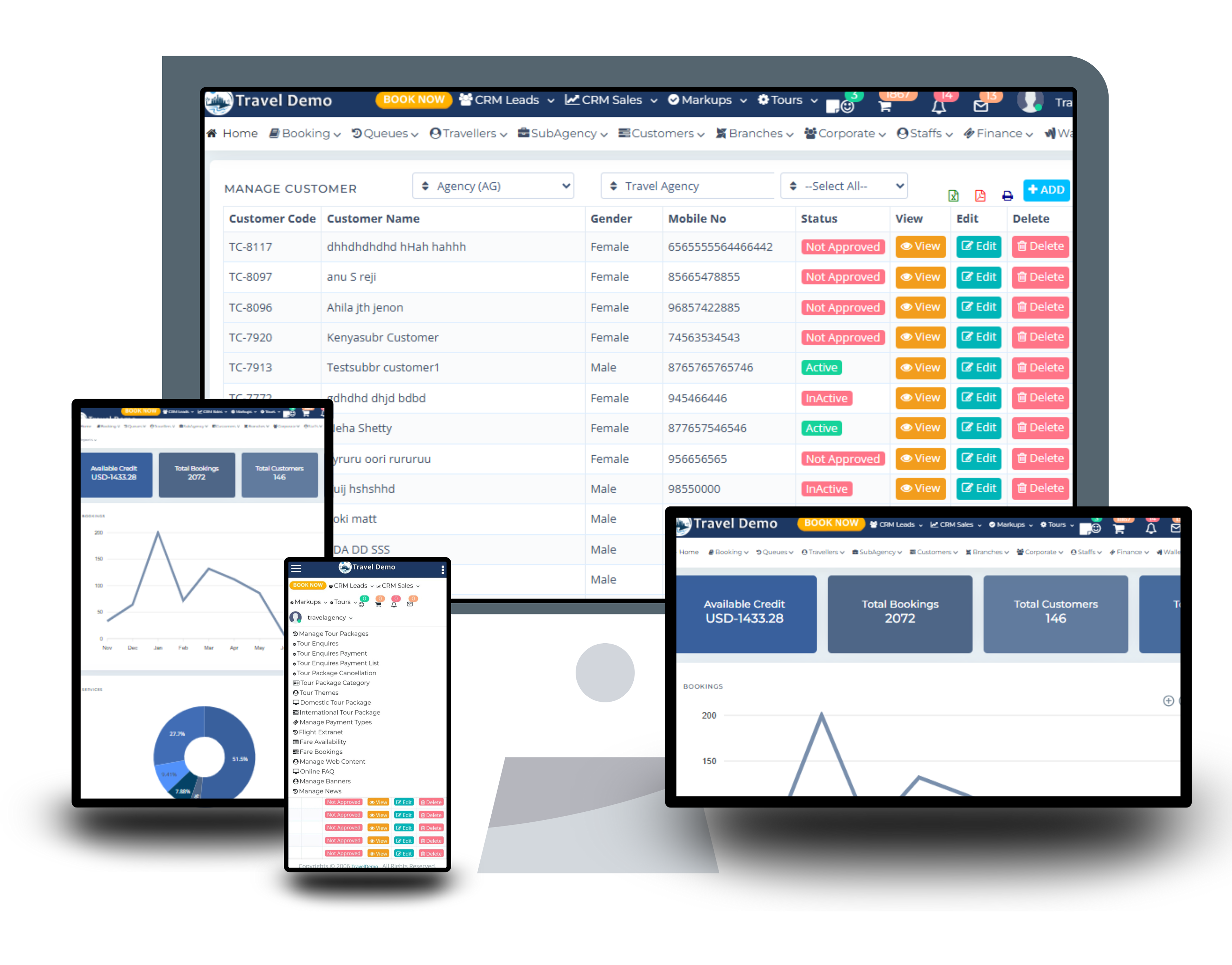
If your software is intuitive, your clients require less training, and your support team spends less time solving basic issues. Benefits: Reduces onboarding time for travel agencies or agents. Minimizes customer frustration and complaints. Frees up resources for improving the software instead of constantly providing support. Example: A dashboard that clearly shows bookings, cancellations, and payments reduces the need for customer support calls.
4. Mobile-Friendly User Experience is Crucial
Many travel professionals and travelers now use mobile devices to manage bookings. A software platform that isn’t mobile-responsive will lose users. Considerations: Mobile-first design ensures usability on smartphones and tablets. Fast loading times and touch-friendly buttons improve the experience. Offline access or minimal data usage can be a huge plus for users on the go. Example: A tour operator who can check bookings, confirm payments, and issue tickets directly from a mobile app saves time and improves productivity.
5. UX Builds Trust and Credibility
A professional, polished interface signals that your software is reliable and well-maintained. Users subconsciously trust software that looks clean, modern, and well-designed. Impact: Increases customer confidence in your product. Encourages recommendations and referrals. Reduces the perception of risk for first-time users. Example: Travel agencies are more likely to invest in a booking system that feels secure and professional than one that looks outdated or buggy.
6. User Experience Supports Personalization
Users today expect software to adapt to their needs. Good UX includes personalization features that enhance the customer experience. Examples of personalization: Remembering user preferences (e.g., favorite destinations, payment methods). Offering suggested itineraries based on previous behavior. Customizable dashboards for agencies or travel agents. Impact: Personalized experiences increase user satisfaction, loyalty, and engagement.
7. User Experience Encourages Positive Reviews and Word-of-Mouth
Travel professionals and customers often share their experiences online. A software that is intuitive and enjoyable to use will generate positive reviews, testimonials, and referrals. Example: Agencies that save time with your platform are more likely to recommend it to other businesses, helping you grow organically.
Travel Package Software is a powerful tool or platform designed to streamline the creation, sales, and management of travel packages for travel agencies, tour operators, and other travel related businesses. These packages typically bundle a variety of travel services such as flights, hotels, transportation, excursions, and even meals—into a single, convenient offering at a special price. By combining these services, the software helps businesses deliver tailored travel experiences to their customers, all while improving operational efficiency and maximizing revenue.

Package Creation and Management
Dynamic Pricing and Upselling
Client Segmentation and Personalization
Multiple Channel Communication
Booking and Payment Integration
Calendar and Availability Management
Customer Support and Service
Reporting and Analytics
CRM Integration with Travel APIs
Mobile App or Responsive Interface
Post Booking Engagement
Collaboration and Team Management

High End Package Creation and Customization
Client Profiling and Personalization
Luxury Pricing Engine
Booking and Payment Capabilities
Calendar and Availability Management
White Glove Client Communication
Luxury Package Reports
Advanced Luxury Partnerships
Mobile Concierge App
VIP Services and Perks Management

Custom Adventure Package Builder
Dynamic Pricing and Inventory Management
Itineraries and Adventure Details
Customer Profiling and Personalization
Automated Communication
Trip Scheduling and Calendar
Booking and Payment Integration
Reporting and Analytics
Integrations That Matter
Mobile and Pre Trip Support

Corporate Package Creation and Templates
Corporate Client Management
Booking and Travel Policy Compliance
Centralized Billing and Payments
Event Planning and Logistics
Travel Intelligence and Analytics
Employee Self Service Portal
Communication and Alerts
Documentation and Compliance
Reporting and Analytics

Group Package Creation and Management
Group Itinerary Builder
Group Pricing and Cost Splitting
Group Member Management
Availability and Resource Scheduling
Booking, Deposits and Payments
Communication and Coordination
Documents and Compliance
Mobile and On Trip Support
Reporting and Analytics

Real Time Package Builder
Live Supplier and API Integration
Dynamic Pricing Engine
Modular Package Components
Personalization and CRM Intelligence
Customer Self Service Booking
Booking and Payment Flexibility
Availability and Conflict Management
Instant Itinerary and Documentation
Travel CRM Software Simplify Travel Operations with Integrated Solutions.